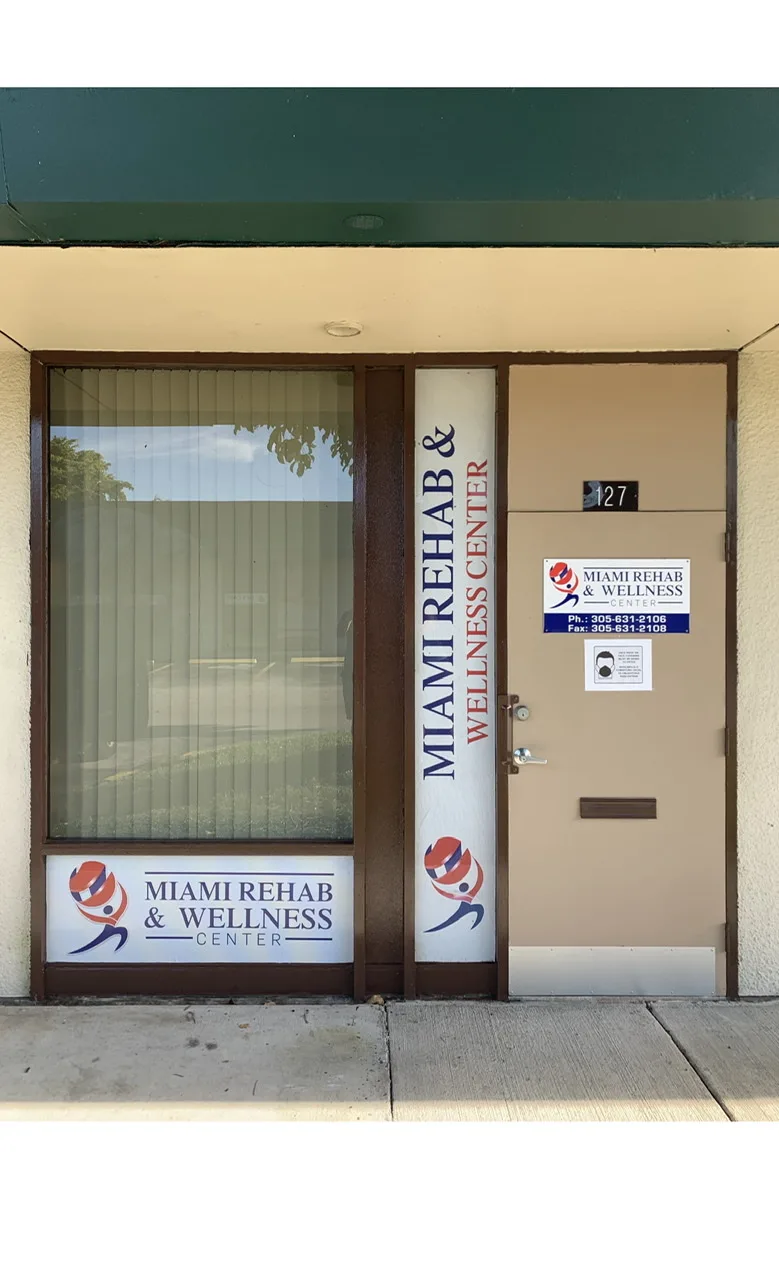
Outpatient Addiction Treatment in Miami: A Comprehensive Guide
Miami is known for its vibrant culture and beautiful beaches, but it also faces challenges with addiction. For many, outpatient addiction treatment offers a flexible and effective pathway to recovery. This guide will cover various outpatient options available in Miami, including Intensive Outpatient Programs (IOP), Partial Hospitalization Programs (PHP), standard outpatient therapy, telehealth services, and how these compare to inpatient treatment.
Understanding Outpatient Treatment Options
Outpatient addiction treatment is designed for individuals who need support but do not require round-the-clock care. Here are the primary types of outpatient programs available:
- Intensive Outpatient Programs (IOP): IOPs offer a structured treatment plan, typically requiring 9-20 hours a week of therapy. Participants engage in group therapy, individual counseling, and educational sessions, allowing them to maintain some daily activities, such as work or school.
- Partial Hospitalization Programs (PHP): PHPs provide a higher level of care than traditional outpatient services, usually involving 20 or more hours of treatment per week. This option is ideal for those who need more support but do not require full-time residential care.
- Standard Outpatient Therapy: This option includes regular therapy sessions, often once or twice a week, focusing on individual needs and progress. It is suitable for those in recovery who have completed a higher level of care and are looking to continue their journey.
- Telehealth Services: Many facilities in Miami now offer telehealth options, allowing individuals to attend therapy sessions remotely. This flexibility can be especially beneficial for those with transportation issues or other commitments.
Inpatient vs. Outpatient Treatment
Choosing between inpatient and outpatient treatment depends on several factors, including the severity of addiction, personal circumstances, and treatment goals. Here’s a comparison:
- Inpatient Treatment: Offers 24/7 medical supervision and a structured environment, making it ideal for those with severe addiction or co-occurring mental health disorders. However, it requires a more significant time commitment and may disrupt daily life.
- Outpatient Treatment: Provides flexibility, allowing individuals to engage in recovery while managing their daily responsibilities. It is typically less intensive than inpatient care, making it suitable for those with milder addictions or who have completed more intensive programs.
A Typical Day in Outpatient Treatment
While schedules may vary, a typical day in an outpatient program might include:
- Morning session: Group therapy focused on sharing experiences and coping strategies.
- Midday: Individual counseling sessions to address personal challenges and goals.
- Afternoon: Educational workshops on topics such as relapse prevention, stress management, and addiction education.
- Evening: Optional support group meetings, such as Alcoholics Anonymous or Narcotics Anonymous, to build community and ongoing support.
Costs of Outpatient Treatment in Miami
The cost of outpatient treatment can vary widely based on the type of program, the facility, and the length of treatment. On average, you might expect:
- IOP: $3,000 to $6,000 for a 30-day program.
- PHP: $5,000 to $10,000 for a 30-day program.
- Standard Outpatient Therapy: $100 to $200 per session, depending on the therapist’s qualifications and location.
Many treatment centers accept insurance, and financial aid may be available, so it’s essential to check with individual facilities for specific costs and payment options. For those needing additional support, consider exploring sober living options after completing outpatient treatment.
Finding Recovery Resources in Miami
Miami offers a variety of resources for individuals seeking help with addiction. In addition to outpatient programs, you can find:
- Detox services to assist with withdrawal symptoms.
- Comprehensive treatment options tailored to individual needs.
- Access to licensed therapists specializing in addiction recovery.
- Support groups, including Alcoholics Anonymous, which provide a community of support.
- If you're unsure where to start, consider reaching out through our Get Help page for guidance.
Remember, recovery is a journey, and outpatient treatment can be a significant step toward a healthier, addiction-free life. With the right resources and support, hope and healing are within reach.
This article is for informational purposes only and does not constitute medical advice.
```More Recovery Resources in Miami
Sober Network is a directory, not an intake form. Explore local facilities and contact providers directly.