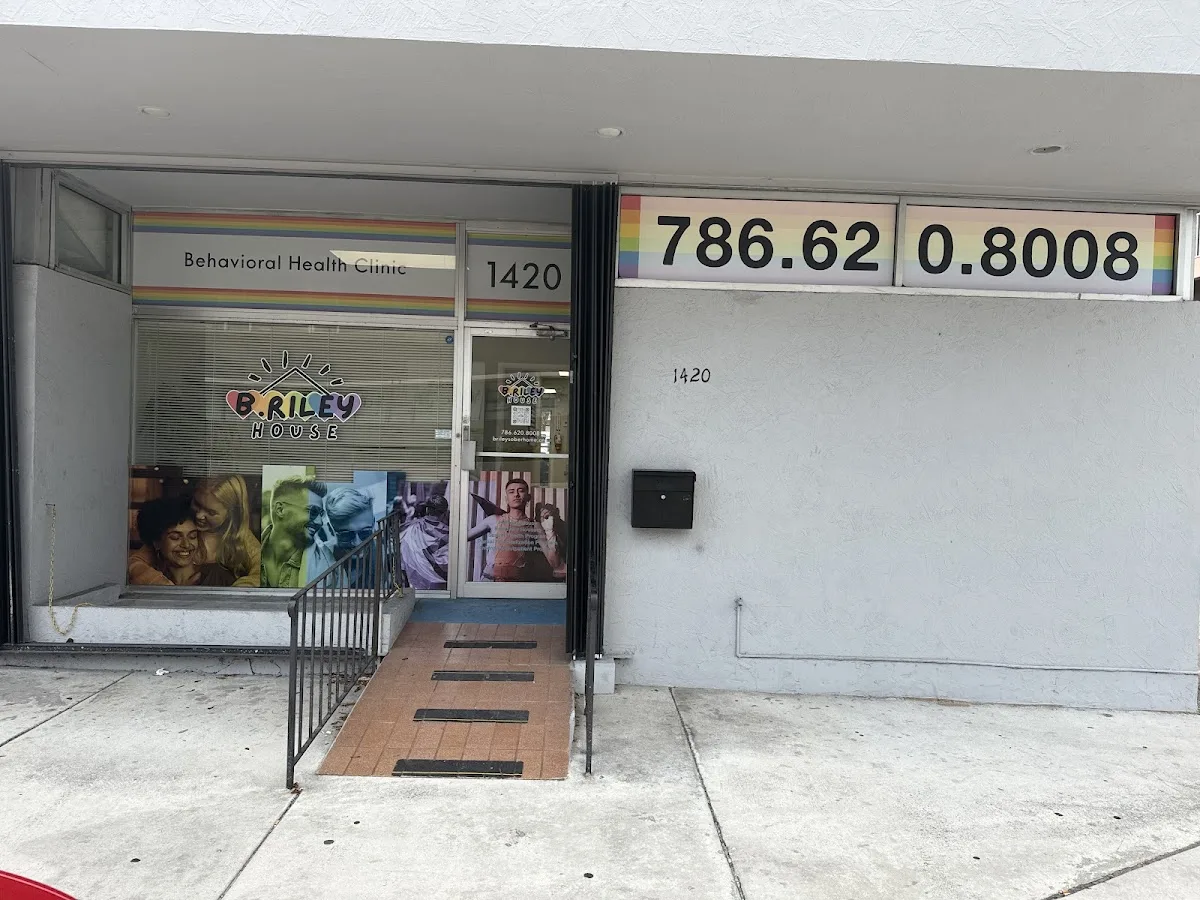
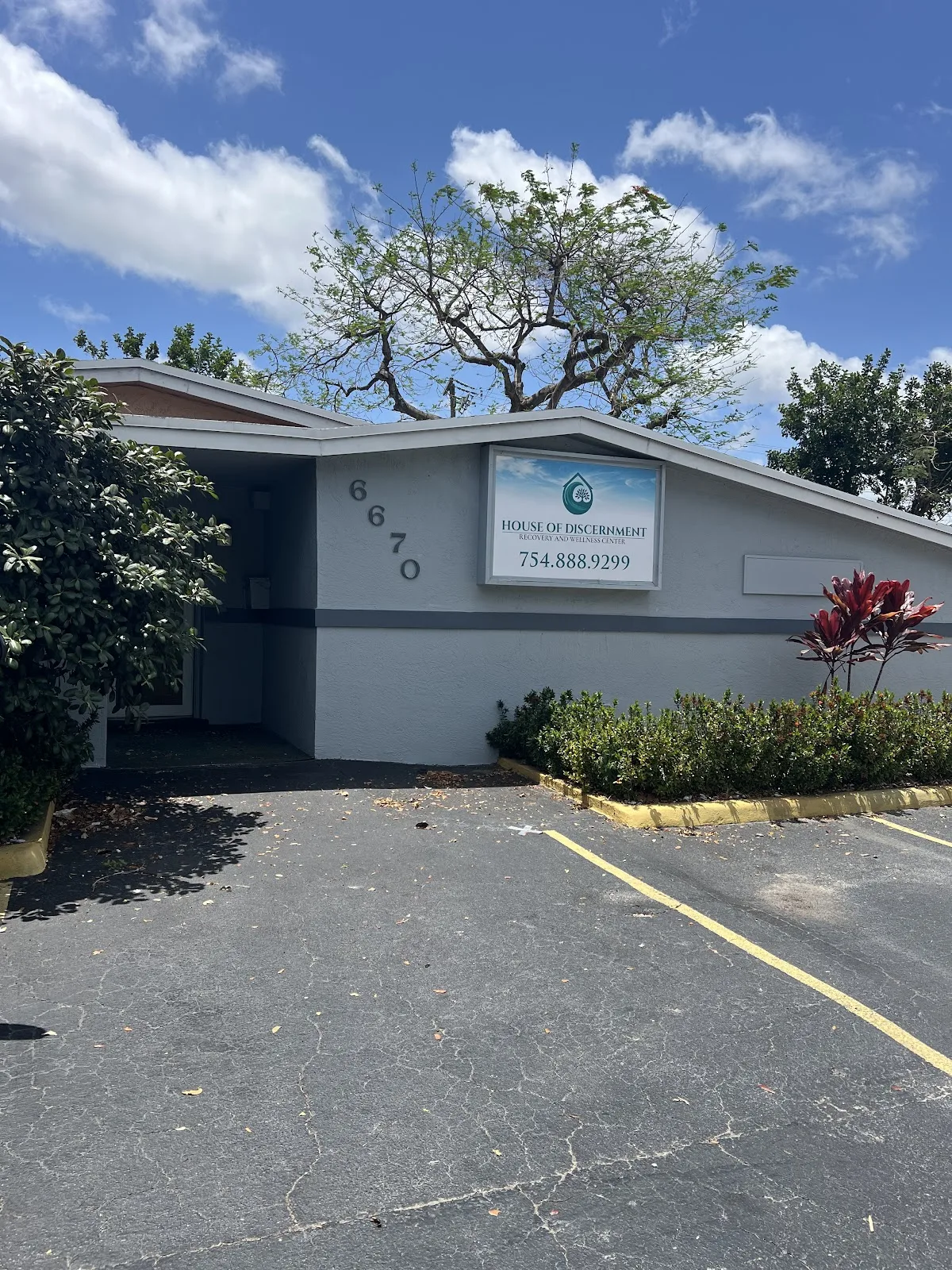
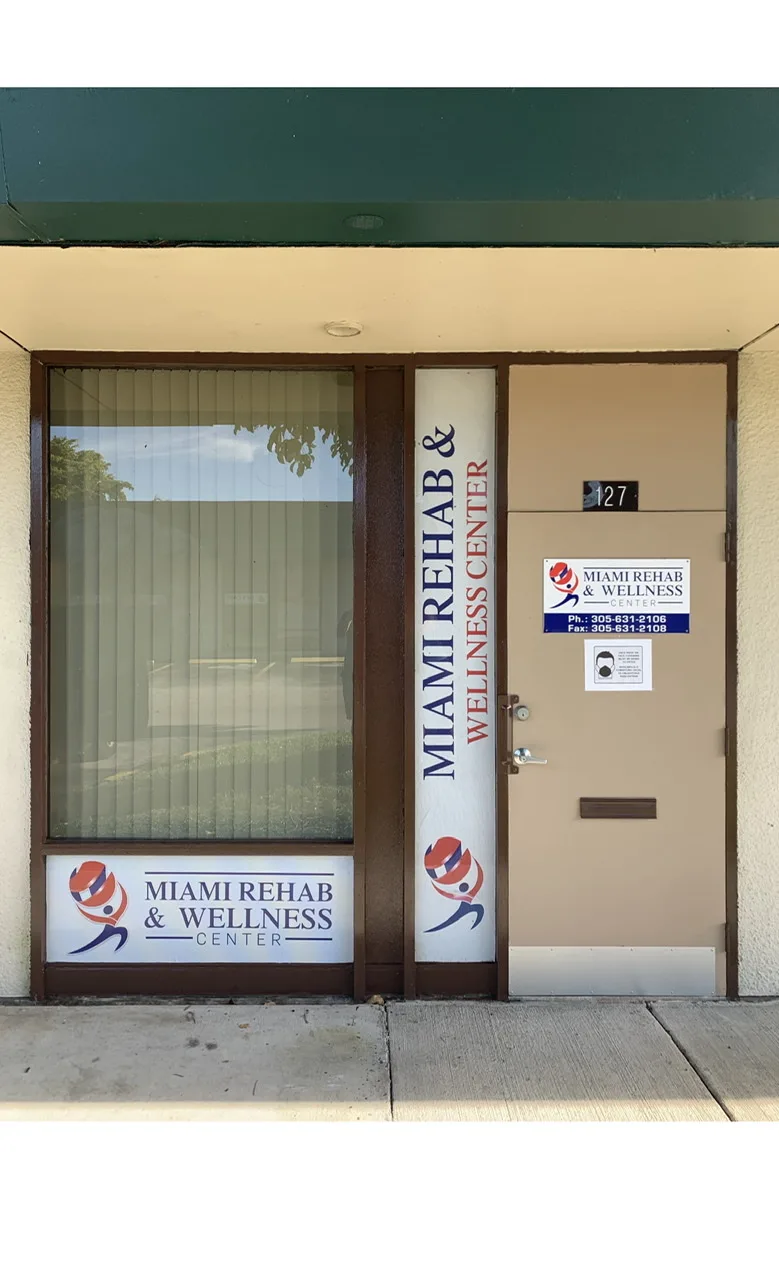
When individuals struggle with both a mental health disorder and a substance use disorder, this is referred to as dual diagnosis or co-occurring disorders. The relationship between these conditions can be complex, often making treatment more challenging. However, effective treatment options are available in Miami, FL, designed to address both issues simultaneously, offering hope and healing for those in need.
What Is Dual Diagnosis?
Dual diagnosis occurs when a person is diagnosed with at least one mental health disorder alongside a substance use disorder. This combination can significantly affect a person's ability to recover from either condition. The presence of mental health issues can lead to substance abuse as individuals may turn to drugs or alcohol as a form of self-medication. Conversely, substance use can exacerbate mental health symptoms, creating a vicious cycle that can be difficult to break.
Afecciones comunes que se presentan simultáneamente
Several mental health disorders frequently co-occur with substance use disorders. Some of the most common include:
- Depresión: Individuals with depression may use substances to cope with feelings of sadness or hopelessness.
- Trastornos de ansiedad: Those suffering from anxiety may use alcohol or drugs to alleviate their symptoms, leading to dependency.
- Trastorno de estrés postraumático (TEPT): People with PTSD might turn to substances to numb their emotional pain or to escape from distressing memories.
- Trastorno bipolar: The mood swings associated with bipolar disorder can lead individuals to misuse drugs or alcohol in an attempt to stabilize their emotions.
Por qué es importante el tratamiento integral
Integrated treatment is crucial for individuals with dual diagnosis. This approach involves addressing both the mental health and substance use disorders simultaneously, rather than treating them separately. Integrated treatment is essential for several reasons:
- Enfoque holístico: Integrated treatment provides a comprehensive plan that considers the whole person, rather than just focusing on one disorder.
- Mejores resultados: Research shows that individuals who receive integrated treatment are more likely to achieve long-term recovery compared to those who receive treatment for only one disorder.
- Atención coordinada: This approach ensures that all healthcare providers involved in a person's treatment are on the same page, reducing the risk of conflicting advice and treatment plans.
- Reducción del estigma: Integrated treatment can help reduce the stigma associated with seeking help for both mental health and substance use disorders, promoting a more supportive recovery environment.
Finding Dual Diagnosis Programs in Miami
Miami is home to a variety of treatment centers that specialize in dual diagnosis. When searching for the right program, consider the following:
- Acreditación: Ensure the facility is accredited and staffed with qualified professionals experienced in treating dual diagnosis.
- Enfoques de tratamiento: Look for programs that utilize evidence-based practices, such as cognitive-behavioral therapy (CBT), dialectical behavior therapy (DBT), or motivational interviewing.
- Servicios de seguimiento: A strong aftercare program is essential for maintaining recovery after treatment. Check if the facility offers ongoing support, such as counseling or support groups.
- Planes de tratamiento personalizados: Each individual’s needs are unique. A good program will assess your situation and create a tailored treatment plan that addresses both your mental health and substance use issues.
Cómo obtener ayuda
If you or a loved one is struggling with dual diagnosis in Miami, taking the first step towards recovery can be daunting but vital. Here are some steps you can take to access help:
- Ponte en contacto: Contact treatment centers directly to inquire about their dual diagnosis programs, treatment options, and admission process.
- Consult with a Professional: Speak with a mental health professional who can provide guidance and recommendations for suitable treatment options.
- Utilize Local Resources: Organizations like the Substance Abuse and Mental Health Services Administration (SAMHSA) can provide valuable resources and referrals for dual diagnosis treatment.
- Support Networks: Consider joining support groups or seeking assistance from family and friends who understand the journey of recovery.
Recovering from dual diagnosis is a challenging journey, but with the right support and treatment, it is possible to find healing and reclaim a fulfilling life. Miami offers various resources and programs designed to help individuals navigate this path towards recovery.
Sober Network is a directory, not an intake form. Explore local facilities and contact providers directly.